
Wednesday, November 22, 2006

©Raghuvanshi 001.3_What colours can say!


Colour can have psychological effects on us. Fo example:

Red is known to stimulate the appetite - so it’s an excellent colour for dining rooms.

Both blue and green are fresh and calming. They are the colours of nature and could be popular choices for bedrooms.

Yellow and orange are revitalizing like the sun, so are good choices in rooms where your energy may need boosting - perhaps the kitchen?


Orange in its toned down terracotta form can often be ideal in a home office; it has the energizing effect of both red and orange but isn’t so bright that you won’t be able to stay at your desk! So gon one with these and combination of colors to revitalize your life.

Sunday, October 01, 2006

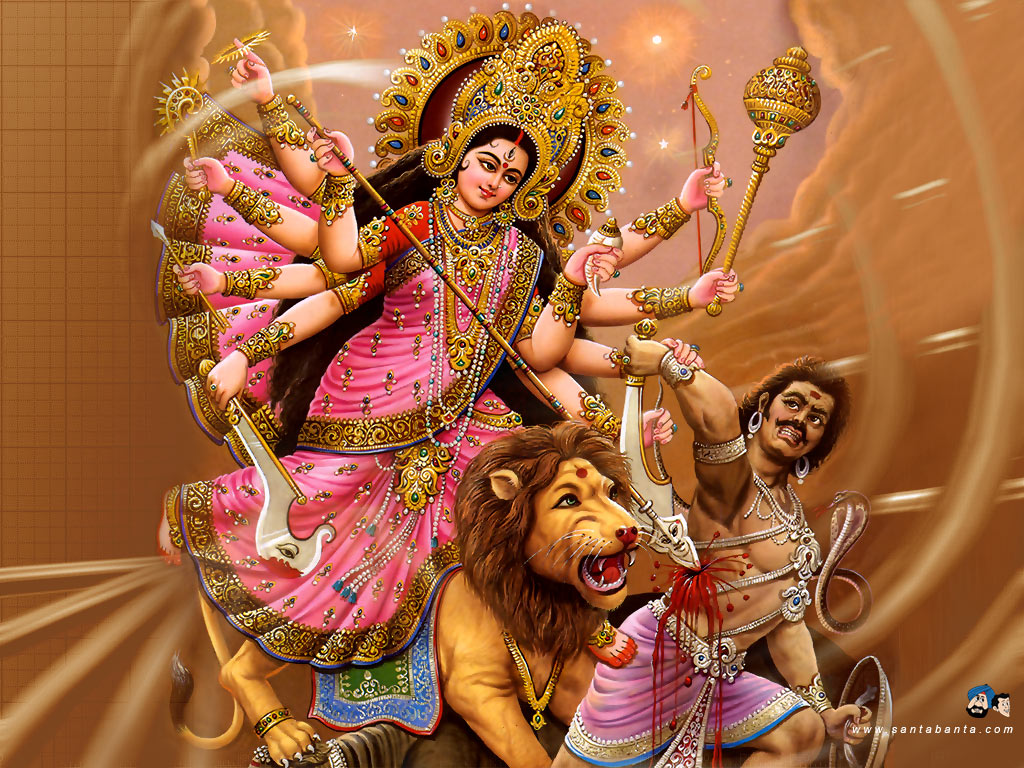
©Raghuvanshi001.2_Happy Navratri and Happy Dusshera

©Raghuvanshi 001.1_An Intro of Raghuvanshi's

Raghuvanshi are acknowledged descendent of Lord Rama.
Maharaja Raghu was ancestor of Lord Rama, and Rama was born in 'Raghu Kula'.
How was he Born:
When Dasaratha, the king of Ayodhya was given the sacred payasa (pudding) by Agnideva to share among his wives so that they may have divine children (Ram, Lakshmana, Bharata and Shatrughna), by divine ordinance, a bird (kite) snatched a fragment of that pudding and, whilst flying over the forest, dropped it where Anjana was engaged in worship. Pavandev (the deity presiding over the wind) delivered that fragment of pudding to the outstretched hands of Anjana who immediately swallowed it and thus Hanuman(popularly known as Ram-Doot) was also Born.

Scientifically proven: Pictures taken by NASA [National Aeronautics & space Administration], USA from the space, show the remains of what appears to be ages old man-made bridge between Rameshwaram and Sri Lanka. According to Hindu scriptures and belief Lord Ram and his vaanar sena had built a bridge from Rameshwaram to Sri Lanka 17 Lacs 25 thousands years ago. The discovery of Shri Ram Setu by NASA confirms the Hindu scriptures and belief are correct in this matter and that Ramayan is not "mythology" as is often construed but "history".